English for Journalism

by

Coursera

This course on English for Journalism teaches English for Journalism fundamentals through interactive modules. If you are , then this course is for you. You can access this course on web and mobile, it’s available in language.

#1

See all ranking

English for Journalism

by

Coursera

This course on English for Journalism teaches English for Journalism fundamentals through interactive modules. If you are , then this course is for you. You can access this course on web and mobile. This complete course is available in language.

#1

See all ranking

with Certifications

42+ Hours

of Recorded Content

4.8 Rated

by 237449 Learners

Language

with Certifications

42 + Hours

of Recorded Content

4.8 Rated

by 237449Learners

Read all Reviews

Language

What's in it for You?

Key Features:

Learn new concepts from professionals in the field.
Acquire a basic understanding of a topic or skill
Gain practical project experience to enhance employability.
Obtain a career certificate that can be shared.

Topics you will learn

  • Unit 1: Introduction and Principles of Journalism
    • 16 videos
      1. Welcome to English for Journalism
      2. Course Overview: Topics, Assessments and Activities
      3. Course Overview: Games and Levels
      4. Why Journalism? What Makes This Field Interesting?
      5. Introduction to the History of Journalism – pre-1690
      6. History of Journalism – 1690 – present day
      7. Language Focus – Simple Past and Past Progressive
      8. Unlockable Achievement
      9. Principles of Journalism 1: Gathering Sources
      10. Principles of Journalism 2: Telling the Story
      11. Language Focus – Word Families
      12. Principles of Journalism 3: Impacting People
      13. Language Focus – Phrases for Agreeing and Disagreeing
      14. Online Learning Opportunities to Extend Your Skills
      15. Supplemental Listening: *Young Journalists Report on Worldwide Landmine Problems*
      16. Supplemental Listening: 'Berlin Airlift' Airport Becomes Emergency Refugee Shelter
    • 11 readings
      1. Overview of the Unit
      2. Political Cartoons: Exploring Serious Subjects in Fun Way
      3. Hearst and the Growth of US Journalism
      4. BASIC: *Media freedom is important. Here's what you can do.*
      5. ADVANCED: Media Freedom is important. Here’s what you can do.”
      6. How freedom of information works
      7. Game: Unit 1 Vocabulary Flashcards
      8. Irregular Verb List
      9. Supplemental Reading: How Can Journalists Be Protected?
      10. Supplemental Reading: *'Berlin Airlift' Airport Becomes Emergency Refugee Shelter*
      11. Supplemental Reading: *Newspapers in America*
    • 15 quizzes
      1. Unit 1 Assessment 1: What do we expect from the media? (Survey)
      2. Check Your Understanding: *Political Cartoons: Exploring Serious Subjects in Fun Way*
      3. Check Your Understanding: Hearst and the Growth of US Journalism
      4. Check Your Understanding: “Media Freedom is Important. Here’s what you can do.”
      5. Check Your Understanding: *How freedom of information works*
      6. Game 1: Timeline Game
      7. Game 2: Selecting tense – Simple Past versus Past Progressive
      8. Value Affirmation Activity
      9. Game 3: Matching word forms in context
      10. Game 4: Vocabulary Practice - Principles of Journalism
      11. Check Your Understanding: “Young Journalists Report on Worldwide Landmine Problem”
      12. Crossword with Irregular Past Tense
      13. Check Your Understanding: *How Can Journalists Be Protected?*
      14. Check Your Understanding: 'Berlin Airlift' Airport Becomes Emergency Refugee Shelter”
      15. Check Your Understanding: *Newspapers in America*
    • 1 discussion prompt
      1. Unit 1 Assessment 2: Principles of Journalism
  • Unit 2: How to Research, Pitch, and Interview
    • 17 videos
      1. Choosing a Topic
      2. Researching an Idea
      3. Unlockable Achievement
      4. Pitching a Story – Newspapers/Magazines
      5. Pitching a Story - Radio
      6. Sample News Story Pitch
      7. Video Listening: Times are Changing in Havana, Cuba
      8. Language Focus – Interviewing Sources – Wh- Questions
      9. Interviewing Sources – Reliability, Facts and Opinion
      10. Language Focus – Quoting Sources and Reporting Verbs
      11. Video interview with a student journalist from The Daily Pennsylvanian
      12. Interviewing Sources - Notetaking
      13. Language Focus – Quoting Sources Directly or Using Reported Speech
      14. Supplemental Listening: *Story of Dr. Omalu Enlightens on Risks of High-impact Sports*
    • 9 readings
      1. Overview of the Unit
      2. BASIC: *Want to be a good reporter? Follow these tips.*
      3. ADVANCED: Want to be a good reporter? Follow these tips.
      4. Sample News Story Pitch and Written Pitch Template
      5. BASIC: Times Are Changing in Havana, Cuba
      6. ADVANCED: Times are Changing in Havana, Cuba
      7. Game: Unit 2 Vocabulary Flashcards
      8. Supplemental Reading: Student newspapers shake things up
      9. Supplemental Reading and Listening: *Story of Dr. Omalu Enlightens on Risks of High-impact Sports*
    • 11 quizzes
      1. Check Your Understanding: *Want to be a good reporter? Follow these tips.*
      2. Check Your Understanding: Times are Changing in Havana, Cuba
      3. Check Your Understanding: Video interview with a student journalist from The Daily Pennsylvanian
      4. Game 1: Right-sizing Your Topic
      5. Game 2: Vocabulary Practice
      6. Game 3: Reliable Sources
      7. Game 4: Choose the reporting verb
      8. Game 5: Changing Direct Speech to Reported Speech
      9. Check Your Understanding: Student newspapers shake things up
      10. Game: WH- question formation
      11. Check Your Understanding: Story of Dr. Omalu Enlightens on Risks of High-impact Sports
    • 1 peer review
      1. Unit 2 Assessment 1: Create a Written Pitch
    • 1 discussion prompt
      1. Unit 2 Assessment 2: Issues and Sources
  • Unit 3: Words in Print
    • 12 videos
      1. Print Media: From Topic to Article
      2. Types of Leads
      3. Creating a Lead
      4. Unlockable Achievement
      5. Language Focus – SV Agreement with Different Subjects
      6. Writing Using Associated Press Style
      7. Language Focus – Structure of Active and Passive Voices
      8. Language Focus – Use of Active and Passive Voices
      9. Reporting Accurately
      10. Proofreading an Article
      11. Listening: Egyptian Journalists Call for Press Freedom
    • 9 readings
      1. Overview of the Unit
      2. Student Newspapers Face Real World Challenges
      3. BASIC: Thai Health Policy as Model for Emerging Economies
      4. ADVANCED: Thai Health Policy as Model for Emerging Economies
      5. BASIC: With billions to feed, sustainable agriculture is not a luxury
      6. ADVANCED: With billions to feed, sustainable agriculture is not a luxury
      7. Game: Unit 3 Vocabulary Flashcards
      8. Egyptian Journalists Call for Press Freedom
      9. Old Age, Debt Threaten Vietnam Economy
    • 11 quizzes
      1. Check Your Understanding: *Student Newspapers Face Real World Challenges.*
      2. Check Your Understanding 2: *Thai Health Policy Seen as Model for Emerging Economies*
      3. Check Your Understanding: *With billions to feed, sustainable agriculture is not a luxury*
      4. Game 1: Labeling - the Process and the Front Page
      5. Game 2: Match Lead to Lead Type
      6. Game 3: Applying AP Style
      7. Game 4: When to Use Passive Voice
      8. Check Your Understanding: *Egyptian Journalists Call for Press Freedom*
      9. Check Your Understanding: *Old Age, Debt Threaten Vietnam Economy*
      10. Game: Active/Passive Game
      11. Game: Subject/Verb Agreement Game
    • 1 peer review
      1. Unit 3, Assessment 2: Write an article based on the lead you created in Assessment 1.
    • 1 discussion prompt
      1. Unit 3 Assessment 1: Create a lead for your story.
  • Unit 4: Broadcasting the News
    • 16 videos
      1. The Language of Broadcast Journalism
      2. Listening: *VOA Fast Five*
      3. Unlockable Achievement
      4. The People of Broadcast Journalism
      5. Types of Stories for Broadcast Journalism
      6. Using Conversational Style
      7. Listening: *So you want to be a TV reporter...*
      8. Language Focus – Present Tense and Active Voice
      9. Sample Broadcast News Story
      10. Ratings in TV News: How Journalists Compete
      11. Sensationalism in TV News
      12. The 24-hour News Cycle
      13. Language Focus - Stress and Pausing
      14. Listening: *Telepresence - The Next Best thing to Being There*
    • 7 readings
      1. Overview of the Unit
      2. Listening: So you want to be a TV reporter ...
      3. Podcasting on the rise
      4. Unit 4 Assessment 2: Instructions and Model
      5. Game: Unit 4 Vocabulary Flashcards
      6. Radio Hoax Causes Panic
      7. Forget a seat at the table. This reporter wants a seat in the briefing room.
    • 11 quizzes
      1. Check your Understanding 1: Listening: *VOA Fast Five*
      2. Check Your Understanding: *So you want to be a TV reporter...*
      3. Unit 4 Assessment 1: Rewrite your article as a copy for a broadcast
      4. Check Your Understanding: *Podcasting on the rise.*
      5. Game 1: Matching Language to Definitions
      6. Game 2: Print vs. Broadcast Journalism
      7. Game 3: Stress
      8. Check Your Understanding: *Radio Hoax Causes Panic?
      9. Check Your Understanding: *Forget a seat at the table. This reporter wants a seat in the briefing room*
      10. Check Your Understanding: *Telepresence - The Next Best Thing to Being There*
      11. Game: Vocabulary Crossword Puzzle
    • 1 peer review
      1. Unit 4, Assessment 2: Writing follow-up questions
  • Unit 5: Journalism in the Digital Age
    • 12 videos
      1. Origins and Current State of the Digital Age
      2. The Impact on the Journalistic Process
      3. The Impact on Traditional Media
      4. Language Focus – Present Perfect Form
      5. Challenges 1: The Digital Divide
      6. Language Focus – Data Commentary
      7. Unlockable Achievement
      8. Citizen Journalism
      9. Challenges 2: Ethics in the Digital Age
      10. Challenges 3: Intellectual Property and Censorship
      11. Course Conclusion
    • 10 readings
      1. Overview of the Unit
      2. BASIC: Mapping the Digital Divide
      3. ADVANCED: Mapping the Digital Divide
      4. Want to be a citizen journalist? You might be one already.
      5. BASIC: Egypt Clamps Down on Media Ahead of 'Arab Spring' Anniversary
      6. ADVANCED: Egypt Clamps Down on Media Ahead of 'Arab Spring' Anniversary
      7. Game: Unit 5 Vocabulary Flashcards
      8. Sharing the benefits of the Internet across the digital divide
      9. Africa's Infotech Revolution
      10. Twitter Suspends Over 125,000 Accounts for 'Promoting Terrorist Acts'
    • 10 quizzes
      1. Check your Understanding: Mapping the Digital Divide
      2. Unit 5 Assessment 1: Choose the Factually Accurate Data Commentary
      3. Check Your Understanding: *Want to be a citizen journalist? You might be one already.*
      4. Check Your Understanding: Egypt Clamps Down on Media Ahead of 'Arab Spring' Anniversary
      5. Game 1: Create a Timeline of Digital Media
      6. Game 2: Present Perfect Form
      7. Game 3: Choose the Appropriate Data Commentary Language
      8. Check Your Understanding: *Sharing the benefits of the Internet across the digital divide*
      9. Check Your Understanding: *Africa's Infotech Revolution*
      10. Check Your Understanding: *Twitter Suspends Over 125,000 Accounts for 'Promoting Terrorist Acts'*
    • 1 peer review
      1. Unit 5, Assessment 2: How has digital journalism affected traditional journalism?

Course Offerings

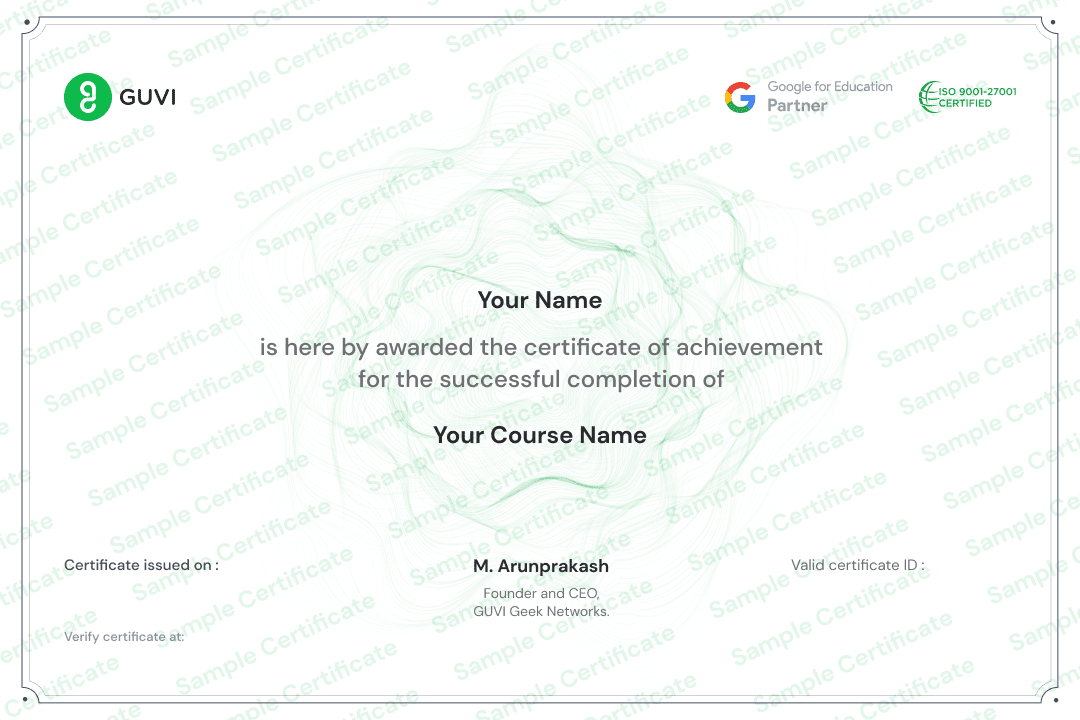
Certificate you will get

Certificate Features

Your certificate can be embedded on your own website or shared on social networking sites like LinkedIn.
Employers can verify the legitimacy of each certificate using the special verification URL that is included with it.

Pre Requsites

After this Course

Course is for

No results found.

FAQ's

The course focuses on English for Journalism. It covers fundamentals through interactive modules designed for s.
The course offers over 42 hours of recorded content.

Yes, upon completing the course, you will receive a certification

The course is currently available in .

The course is accessible on both web and mobile platforms.

The original price of the course is ₹, but it’s currently available at a discounted price of ₹.
To purchase this course you can click on the Enroll Now button it will redirect you to course page, and on that page you can buy English for Journalism course.


Similar Courses

Share this course within your network

WhatsApp
Facebook
Telegram
LinkedIn
Threads
X

Page Link