Introduction to Comparative Indo-European Linguistics

by

Coursera

This course on Introduction to Comparative Indo-European Linguistics teaches Introduction to Comparative Indo-European Linguistics fundamentals through interactive modules. If you are , then this course is for you. You can access this course on web and mobile, it’s available in language.

#1

See all ranking

Introduction to Comparative Indo-European Linguistics

by

Coursera

This course on Introduction to Comparative Indo-European Linguistics teaches Introduction to Comparative Indo-European Linguistics fundamentals through interactive modules. If you are , then this course is for you. You can access this course on web and mobile. This complete course is available in language.

#1

See all ranking

with Certifications

17+ Hours

of Recorded Content

4.5 Rated

by 12336 Learners

Language

with Certifications

17 + Hours

of Recorded Content

4.5 Rated

by 12336Learners

Read all Reviews

Language

What's in it for You?

Key Features:

Learn new concepts from professionals in the field.
Acquire a basic understanding of a topic or skill
Gain practical project experience to enhance employability.
Obtain a career certificate that can be shared.

Topics you will learn

  • The Indo-European language family
    • 3 videos
      1. Introduction
      2. How to succeed in your online class
      3. The Indo-European Language Family
    • 4 readings
      1. Meet the team
      2. Important tips in handling this platform
      3. The discovery of the Indo-European Language Family
      4. Who were the Indo-Europeans?
    • 2 quizzes
      1. Test your knowledge
      2. Dating Indo-European languages
    • 1 discussion prompt
      1. Discussion
    • 2 plugins
      1. Discover The World at Leiden University
      2. Interactive map of Indo-European languages
  • Language Change
    • 2 videos
      1. How to Determine Genetic Relationships between Languages
      2. Language change
    • 9 readings
      1. Phonology and phonemes
      2. Phonetics
      3. Allophone
      4. Articulatory assimilation
      5. Cognate
      6. Form vs Meaning
      7. Linguistic terminology
      8. Linguistic symbols
      9. Explaining the sound change
    • 4 quizzes
      1. Exercise: Genetic Relationships 1
      2. Exercise: Genetic Relationships 2
      3. Exercise: Sound change 1
      4. Exercise: Sound change 2
  • Greek and Sanskrit
    • 8 videos
      1. PIE Vowels
      2. Greek Cases
      3. Interview with dr. Lucien van Beek
      4. Devanāgarī
      5. Structure of PIE Words
      6. Ablaut
      7. Sanskrit Vowels
      8. Interview with Prof. dr. Alexander Lubotsky about Sanskrit
    • 11 readings
      1. Mycenaean
      2. Greek dialects
      3. The Iliad and the Odyssey
      4. Proto-Indo-European vowels
      5. Interview with dr. Lucien van Beek
      6. Indic
      7. Other Vedic texts
      8. Sanskrit timeline
      9. Ablaut
      10. Reconstructing Proto-Indo-European vowels
      11. Interview with Prof. dr. Alexander Lubotsky
    • 4 quizzes
      1. Exercise: Latin cases
      2. Key points in the interview
      3. Exercise: vowels, diphthongs and resonants
    • 1 discussion prompt
      1. Discussion
    • 1 plugin
      1. Exercise: Cases
  • Iranian and Armenian
    • 4 videos
      1. Interview with Prof. dr. Alexander Lubotsky about Iranian
      2. Indo-Iranian and Indo-European
      3. Grassmann's law
      4. Interview with prof. Birgit Olsen
    • 6 readings
      1. The Iranian language family
      2. Avestan
      3. Old Persian
      4. Interview with Prof. dr. Alexander Lubotsky about Iranian
      5. Armenian
      6. Interview with Prof. dr. Birgit Olsen
    • 5 quizzes
      1. Exercise: deviant perfect forms
      2. Test your knowledge
      3. Key points in the interview
      4. Exercise: Ablaut
    • 1 discussion prompt
      1. Discussion
  • Balto-Slavic and Italic
    • 4 videos
      1. Palatovelars (Balto-Slavic)
      2. Interview dr. Tijmen Pronk
      3. Consonants and Relative Chronology
      4. Interview with Prof.dr. Weiss
    • 12 readings
      1. The Balto-Slavic languages
      2. Baltic
      3. Slavic
      4. Old Russian
      5. Balto-Slavic and the palatovelars
      6. The Italic languages
      7. Oscan
      8. Umbrian
      9. Latin
      10. Italic timeline
      11. Consonants and relative chronology - overview
      12. Interview with Prof. dr. Michael Weiss
    • 4 quizzes
      1. Exercise: the palatovelars
      2. Key points in the interview
      3. Exercise: Relative chronology
    • 1 discussion prompt
      1. Discussion
  • Celtic and Germanic
    • 6 videos
      1. Italo-Celtic and the labiovelars
      2. Labiovelars in Greek
      3. Interview with Prof. dr. Ranko Matasović
      4. Proto-Indo-European consonants and Grimm's law
      5. Explaining the exercises
      6. Interview with prof. Guus Kroonen
    • 16 readings
      1. Celtic languages
      2. Continental Celtic
      3. Irish
      4. Welsh
      5. Celtic timeline
      6. Italo-Celtic and the labiovelars - overview
      7. Interview with Prof. dr. Ranko Matasović
      8. The Germanic languages
      9. Runes
      10. North Germanic
      11. East Germanic
      12. West Germanic
      13. Germanic timeline
      14. Grimm's Law - overview
      15. Exercise: Grimm's Law
      16. Interview with Prof. dr. Guus Kroonen
    • 6 quizzes
      1. Exercise 1: Italo-Celtic labiovelars
      2. Exercise 2: Labiovelars in Greek and Mycenaean
      3. Exercise 3: Unexpected reflexes of the labiovelars
      4. Exercise 4: Proto-Indo-European labiovelars
      5. Key points in the interview
  • Anatolian and Tocharian
    • 5 videos
      1. Anatolian: the laryngeals
      2. Explaining the exercise
      3. Interview with dr. Willemijn Waal and dr. Alwin Kloekhorst
      4. The Indo-European language tree
      5. Interview with dr. Michaël Peyrot
    • 9 readings
      1. Anatolian languages
      2. Hittite
      3. Luwian
      4. Hittite and Luwian timeline
      5. Anatolian: the laryngeals - overview
      6. Interview with dr. Willemijn Waal and dr. Alwin Kloekhorst
      7. Tocharian
      8. Interview with dr. Michaël Peyrot
      9. Other branches of Indo-European
    • 5 quizzes
      1. Exercise: Laryngeals 1
      2. Exercise: Laryngeals 2
      3. Key points in the interview
      4. The Indo-European family tree
    • 2 discussion prompts
      1. Discussion
      2. Discussion
  • Indo-European culture and society
    • 5 videos
      1. Who were the Indo-Europeans?
      2. Interview with dr. Quentin Bourgeois
      3. Interview with Prof. dr. Brigitte Pakendorf
      4. Laryngeals continued
      5. Greek Poetic Meter
    • 11 readings
      1. Interview with dr. Quentin Bourgeois
      2. Interview with Prof. dr. Brigitte Pakendorf
      3. Reconstructing Proto-Indo-European
      4. Laryngeals continued - overview
      5. Epic traditions
      6. Shared topics in poetry
      7. Proto-Indo-European religion
      8. Long vowels in Greek
      9. Indo-European culture
      10. Congratulations
      11. Additional materials
    • 3 quizzes
      1. Final quiz
      2. Exercise: Reconstruction
      3. Exercise: Greek meter
    • 2 discussion prompts
      1. Discussion
      2. Discussion

Course Offerings

Certificate you will get

Certificate Features

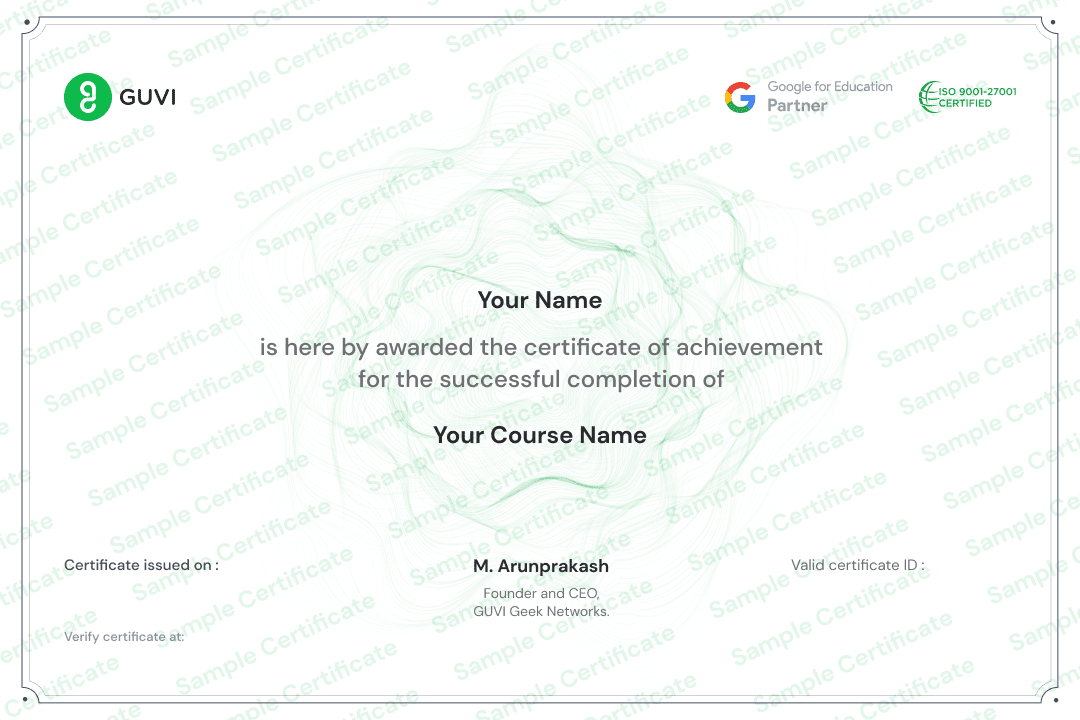
Your certificate can be embedded on your own website or shared on social networking sites like LinkedIn.
Employers can verify the legitimacy of each certificate using the special verification URL that is included with it.

Pre Requsites

After this Course

Course is for

No results found.

FAQ's

The course focuses on Introduction to Comparative Indo-European Linguistics. It covers fundamentals through interactive modules designed for s.
The course offers over 17 hours of recorded content.

Yes, upon completing the course, you will receive a certification

The course is currently available in .

The course is accessible on both web and mobile platforms.

The original price of the course is ₹, but it’s currently available at a discounted price of ₹.
To purchase this course you can click on the Enroll Now button it will redirect you to course page, and on that page you can buy Introduction to Comparative Indo-European Linguistics course.

Similar Courses

Share this course within your network

WhatsApp
Facebook
Telegram
LinkedIn
Threads
X

Page Link